
When water and wastewater rates increase, it’s natural to wonder why. The answer begins with understanding how our regional water and wastewater systems are organized, who owns the infrastructure, and how major improvement projects are funded.
What role does RWSA play in the region's water and wastewater processes?
Rivanna Water & Sewer Authority (RWSA) was established in 1972 by the City of Charlottesville and Albemarle County to provide wholesale water and wastewater treatment services for our region.
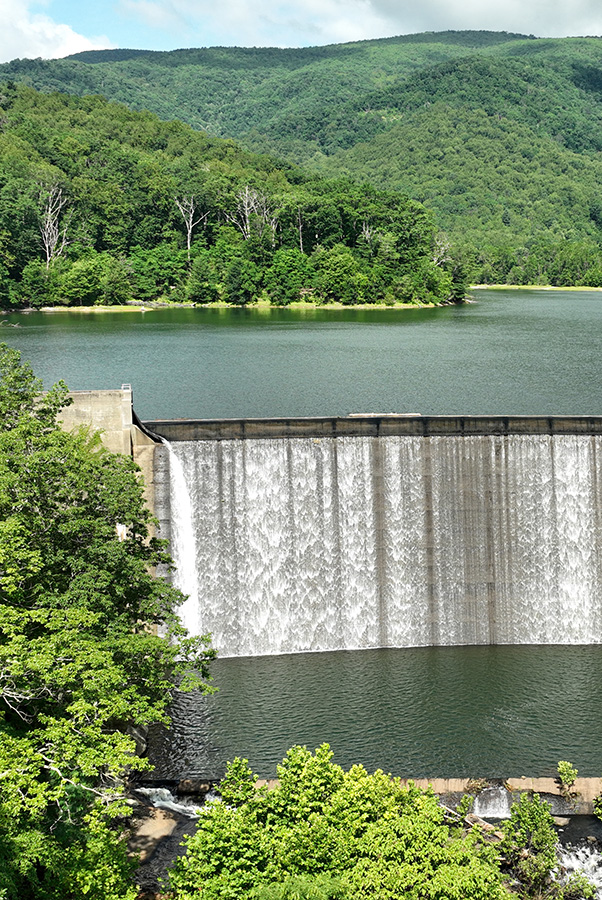
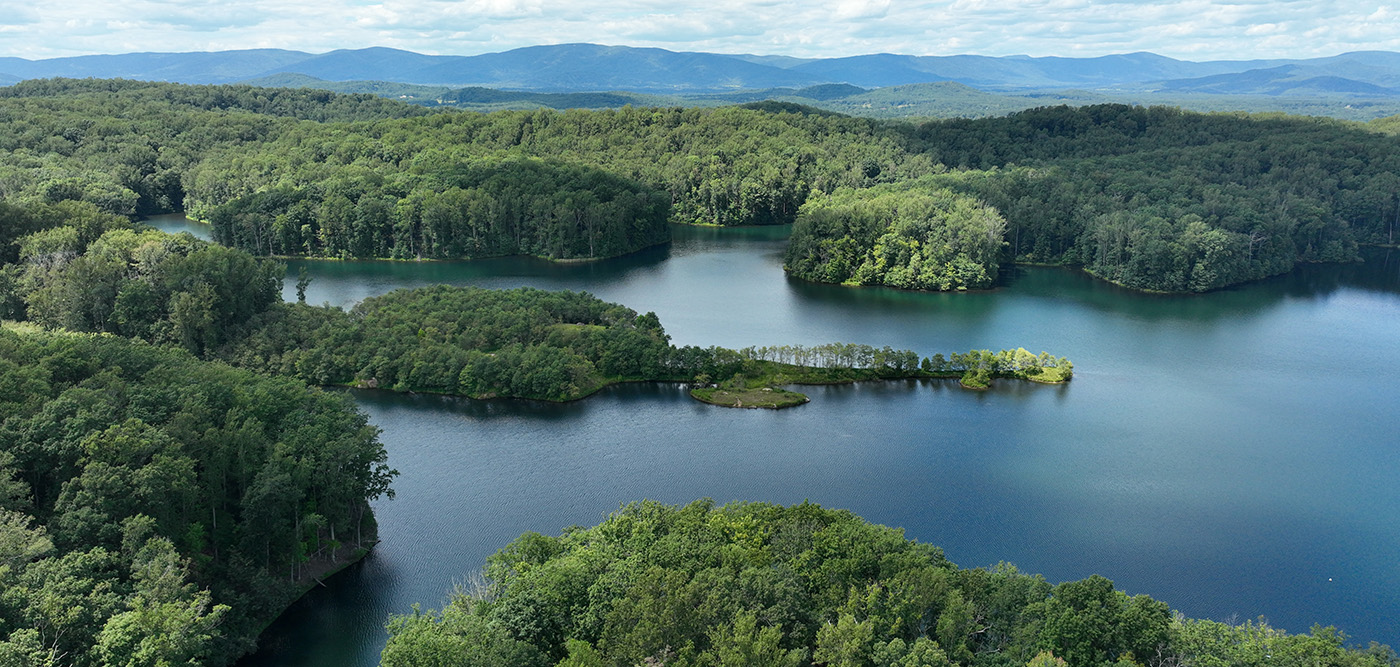
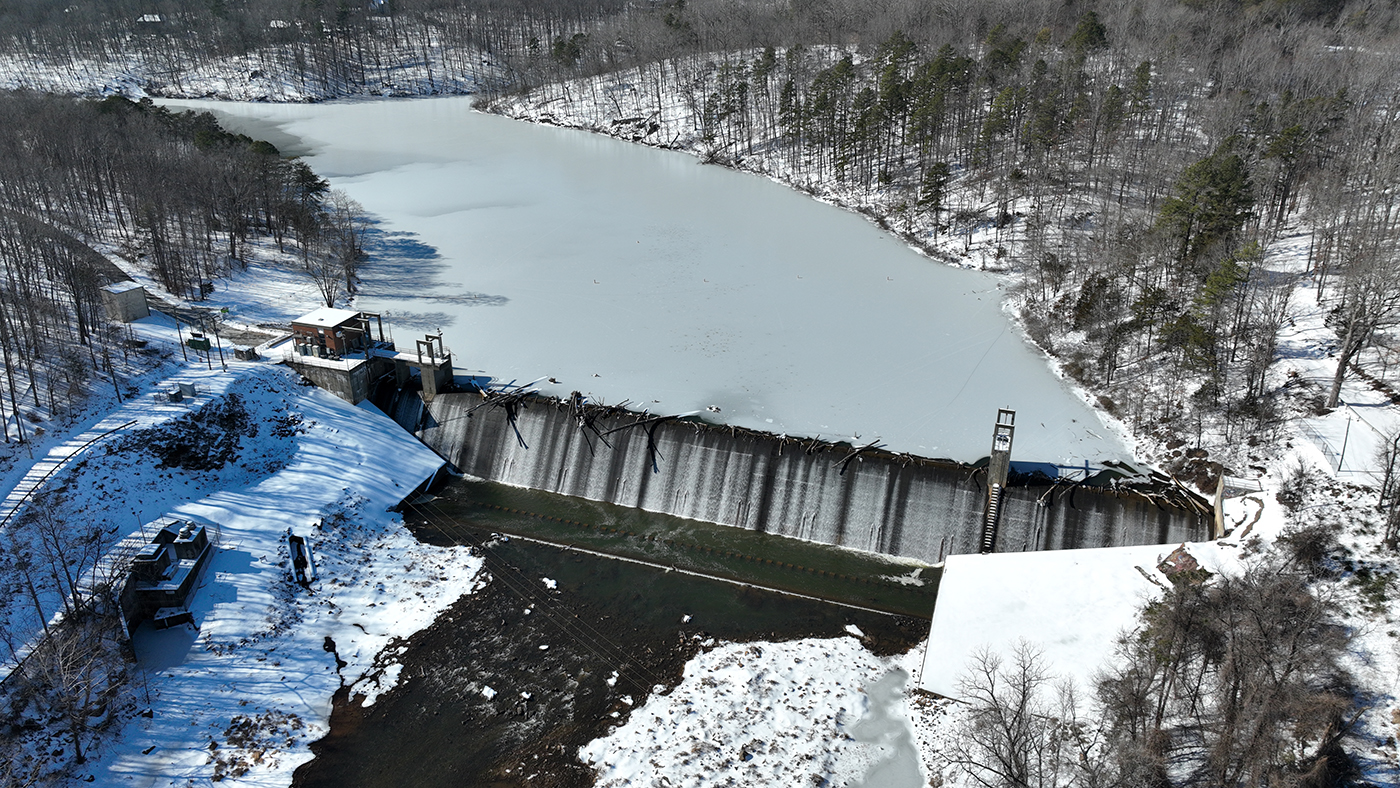
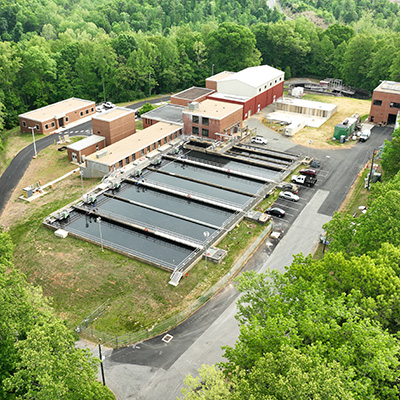
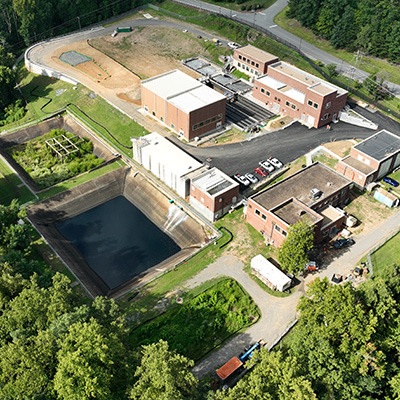
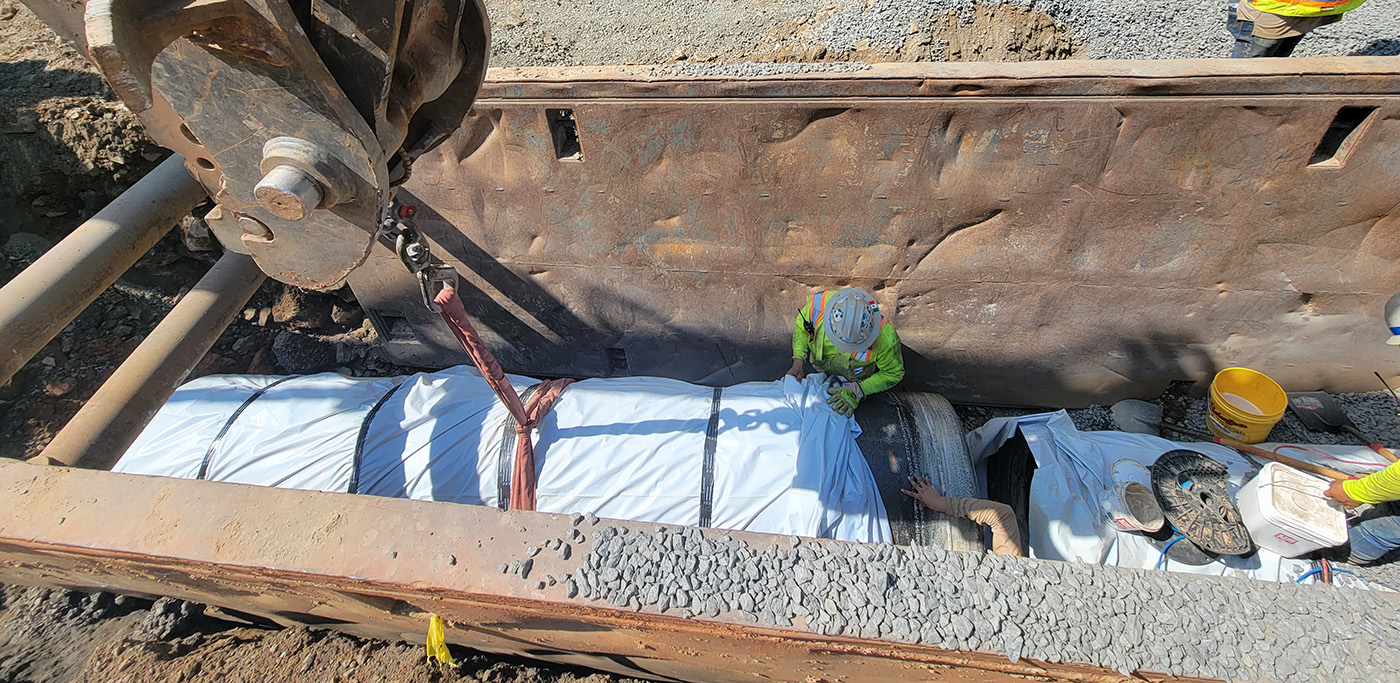
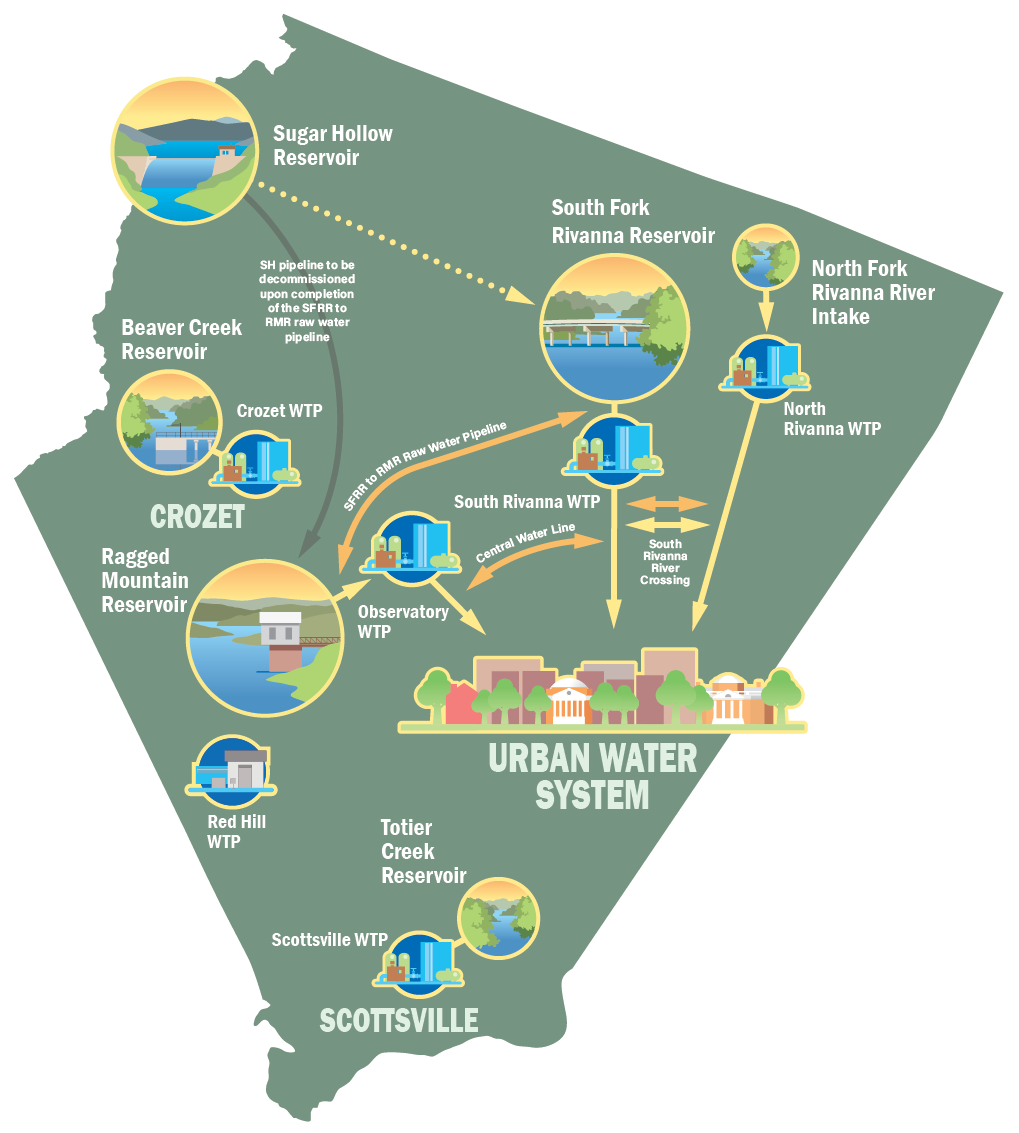
RWSA manages the large infrastructure systems that make reliable drinking water and wastewater treatment possible. These assets include: 5 reservoirs, 6 water treatment plants, 4 wastewater treatment plants, 9 dams, 21 pump stations, 11 water storage tanks, and 114 miles of large-diameter water and sewer transmission pipes.
RWSA has two customers:
RWSA sells its services to two customers: the Charlottesville Department of Utilities and the Albemarle County Service Authority.
The two customers purchase wholesale water and sewer services from RWSA. The City and ACSA then distribute water to and collect wastewater from homes and businesses, maintain local distribution systems, provide customer service, and issue monthly bills to the end consumer.
Who Governs RWSA?
RWSA is governed by a seven-member Board of Directors composed of representatives from both localities. The Board includes: the Charlottesville City Manager, the Albemarle County Executive, the Charlottesville Director of Utilities, the Albemarle County Service Authority Executive Director, a Charlottesville City Council member, an Albemarle County Supervisor, and a jointly appointed Chairman.
The Board of Directors meets monthly to provide strategic oversight, approve the annual budget, review infrastructure investments, and approve the annual wholesale water and wastewater rates, among many other tasks.


How Are Wholesale Rates Determined?
Wholesale rates are primarily driven by two categories of costs:
Operating Costs (Variable Costs)
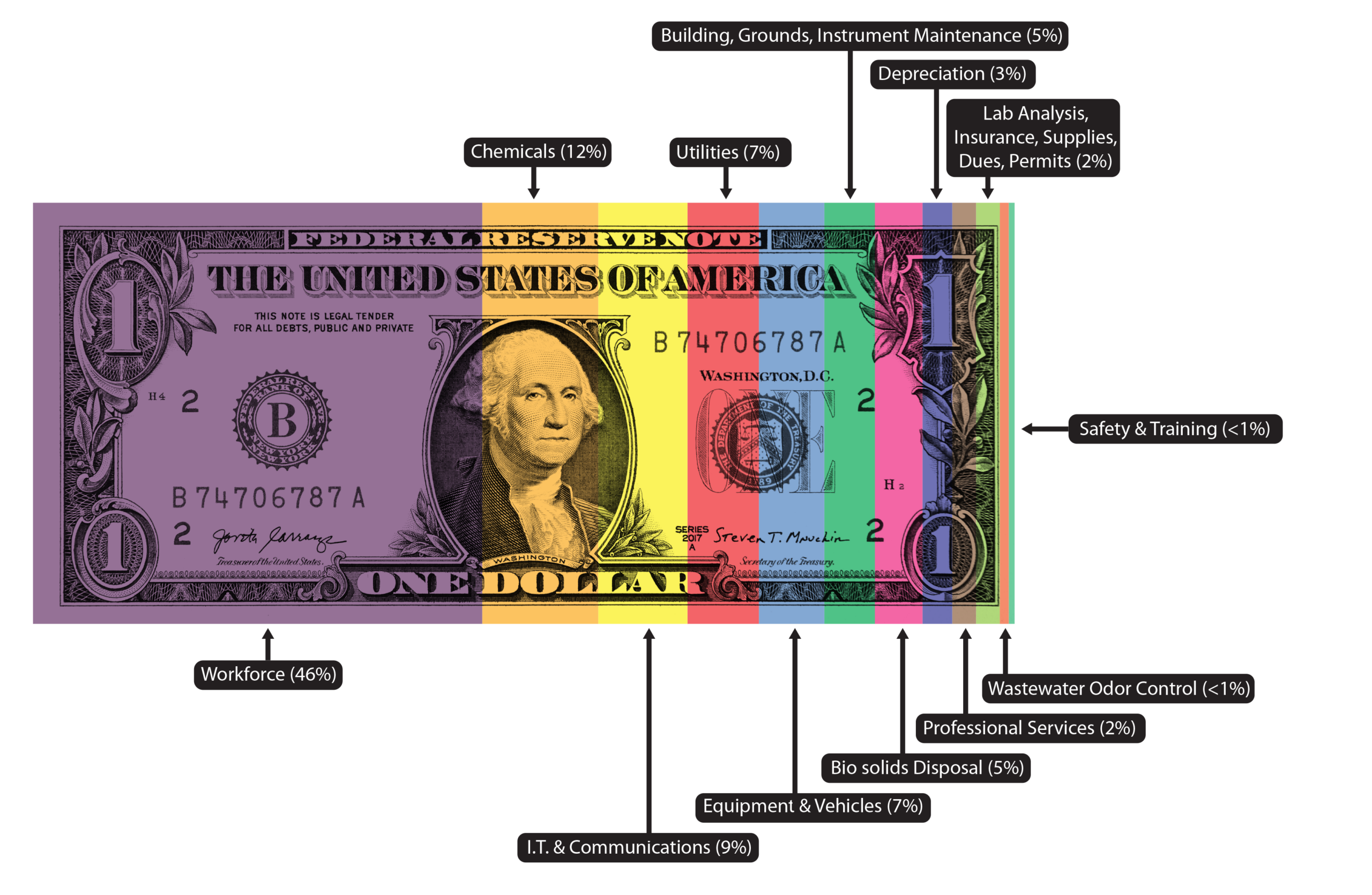
Variable costs are tied to the amount of water and wastewater flowing through the system. These costs include:
- Chemicals used in treatment processes
- Electricity for pumping and treatment operations
- Equipment maintenance
- Laboratory testing
- Staffing and operational expenses
- Fire Protection
- Water loss
When water production or wastewater treatment volumes change, these costs can increase or decrease accordingly.
Capital Costs and Debt Service (Fixed Costs)
The second category consists of fixed costs associated with major infrastructure investments.
Large projects such as water and wastewater treatment plant upgrades, reservoir improvements, dams, pump stations, and transmission pipelines are typically funded through revenue bonds. These bonds function similarly to a mortgage, allowing critical infrastructure to be built today and paid for over a period of 20 to 30 years.
The annual repayment of these bonds is known as debt service.
As older projects are paid off and new projects are added, debt service costs can rise or fall. Because debt service represents a significant portion of wholesale rates, major infrastructure investments can affect rates for many years.
Why Are Wholesale Rates Increasing?
Several factors are contributing to rising wholesale water and wastewater costs in the region, including:
Aging Infrastructure
Portions of RWSA’s infrastructure were built decades ago, with some more than a century old. Pipes, pumps, tanks, dams, and treatment facilities require ongoing rehabilitation and replacement to maintain reliability and regulatory compliance.
Increasing Construction Costs
Like many industries, utilities have experienced significant increases in construction costs in recent years. Materials such as concrete, steel, piping, electrical equipment, and treatment assets have become more expensive. Labor costs and contractor demand have also increased.
Regulatory Requirements
Water and wastewater utilities must continually adapt to evolving environmental and public health regulations. Meeting these requirements often involves new treatment technologies, facility upgrades, and monitoring systems. A great example of this is the community’s choice to use granular activated carbon for drinking water treatment. Much like a Brita Filter, the carbon helps remove contaminants. RWSA’s initial investment was implemented to assist with removing total organic carbon but has also proven extremely successful in removing emerging contaminants such as PFAS and PFOS. As regulations become more stringent regarding these emerging contaminants, RWSA will be well positioned to meet those expectations because the community was proactive in updating its drinking water infrastructure.
Building for Future Reliability
Regional infrastructure projects are designed not only to address current needs but also to ensure reliable service for future generations. Investments made today help protect drinking water supplies, improve system capacity and resilience, and reduce the risk of costly emergency repairs.
Current Infrastructure Investments
As of May 2026, RWSA has numerous projects underway, in design, or under study. Together, these projects represent hundreds of millions of dollars in investments that will support drinking water and wastewater services for decades to come.
Major projects include:
Drinking Water Projects
- Central Water Line ($79 million)
- Ragged Mountain Reservoir to Observatory Water Treatment Plant Raw Water Line and Pump Station ($61.49 million)
- South Fork Rivanna Reservoir to Ragged Mountain Reservoir Pipeline, Pump Station and Intake ($107 million)
- Ragged Mountain Reservoir Pool Raise ($13.3 million)
- Crozet Water Treatment Plant GAC Expansion Phase 1 ($12.2 million)
- Dam Safety Systems ($4 million)
- Beaver Creek Raw Water Pump Station, Intake and Piping ($39 million)
Wastewater Projects
- Moores Creek Structural and Concrete Rehabilitation ($15.5 million)
- Crozet Pump Stations Rehabilitation ($12.35 million)
- Moores Creek Building Upfits and Gravity Thickener Improvements ($11.8 million)
- Glenmore Water Resource Recovery Facility Upgrades ($11 million)
- Sanitary Sewer Rehabilitation Project (1.44 million)
These projects help ensure reliable water supplies, maintain regulatory compliance, improve system capacity and resilience, and replace aging infrastructure before failures occur.
How Are Infrastructure Projects Approved?
Infrastructure projects undergo multiple levels of review before construction begins.
First, projects are evaluated and included in RWSA’s Ten-Year Capital Improvement Plan (CIP), which identifies the investments needed to support the Authority’s mission of providing safe, high-quality drinking water and environmentally responsible wastewater treatment services.
After a public hearing, the Board of Directors reviews and approves the CIP annually.
Once a project is ready to move into construction, it is competitively bid. After bids are received and evaluated, the Board of Directors moves to award a construction contract.
The Board also approves:
This process helps ensure transparency, accountability, and responsible stewardship of public resources.
How Are Costs Shared Between the City and ACSA?
Debt service costs are allocated in accordance with established cost-sharing agreements between the City of Charlottesville and the Albemarle County Service Authority.
These agreements specify what percentage of a project’s costs will be paid by each entity based on factors such as system use and project benefit.
This approach ensures that infrastructure costs are distributed fairly among the customers that benefit from the investment.
Why Is My Water Bill Higher Than RWSA's Wholesale Rate?
The rates charged by RWSA are wholesale rates paid by the Charlottesville Department of Utilities and the Albemarle County Service Authority.
Customer water and sewer bills include more than wholesale treatment costs. The City and ACSA are also responsible for:
- Maintaining their water and sewer distribution systems
- Funding their capital improvement projects
- Day-to-day operations and maintenance
- Customer service
- Meter readings & billing
As a result, retail water and wastewater rates reflect both RWSA’s wholesale costs and the costs incurred by the utility serving customers directly.
Investing in Reliable Service
Water and wastewater infrastructure is often out of sight, but it is essential to public health, environmental protection, fire protection, and economic development.
The investments being made today help ensure that our region continues to have reliable drinking water supplies, resilient infrastructure, and effective wastewater treatment for decades to come. While these investments can affect wholesale rates, they also protect the long-term reliability and sustainability of the systems that serve our community every day.